Unsealed grout, stone, and tile absorb stains, bacteria, and moisture the moment they are exposed. Protective Sealant Edmonton from Edmonton Cleaning Pros stops that absorption before the surface has a chance to show what it has been holding.
Most homeowners do not think about sealing until something has already gone wrong: a stain that will not come out of the grout, a marble countertop that has dulled, or a natural stone floor that has developed a permanent watermark. The problem is that the window for sealing is before the contamination happens, not after. Our team provides sealant protection for surfaces that need it against staining, moisture penetration, and the bacterial activity that accumulates in porous materials over time. Applied correctly to the right surface, a professional sealant treatment adds years to the life of the material and makes every subsequent clean significantly easier.
Why Porous Surfaces Fail Without Sealant Protection
Grout, natural stone, unglazed tile, and certain concrete surfaces share a structural characteristic: they are porous. Every pore is an entry point for liquid, oil, and particulate that the surface absorbs on contact. In a kitchen, that means cooking oils and acidic liquids penetrating grout lines and discolouring them from the inside. In a bathroom, it means soap residue, body oils, and moisture from repeated exposure working into the tile base and creating the conditions for mould growth at a level below the visible surface.
The discolouration and odour that homeowners eventually notice are symptoms of contamination that has been building inside the material for months. By the time those signs appear, surface cleaning alone cannot reach the source. Our team applies Protective Sealant Edmonton before that cycle begins, creating a barrier layer that repels liquid and contaminants at the surface rather than allowing them to penetrate.
Surfaces That Benefit Most From Protective Sealant Edmonton
Not every surface needs sealing. Glazed ceramic tile has a non-porous surface that does not benefit from sealant application. The surfaces that benefit most are those with an open pore structure that allows liquid and contaminants to enter and accumulate below the surface level.
Grout lines in kitchen backsplashes, bathroom tile, and floor tile: the most porous surface in most homes, and the most consistent source of staining complaints without sealant protection
Natural stone surfaces including marble, granite, travertine, and limestone: all porous at varying degrees and sensitive to acid-based cleaners that etch the surface when the stone is unsealed
Concrete and cement board in laundry areas, garages, and outdoor spaces: highly porous and exposed to oil, chemical, and moisture contamination
Unglazed porcelain and terracotta tile: commonly used in entryways and mudrooms, where foot traffic and outdoor contamination accelerate absorption
Stone and composite countertops in kitchens: surfaces that come into daily contact with food, oils, and acidic liquids that would stain permanently without a sealed surface layer
Common Questions About Protective Sealant Edmonton
What surfaces need protective sealant?
Grout lines, natural stone surfaces like marble, granite, and travertine, unglazed porcelain and terracotta tile, concrete floors and countertops, and certain composite countertops all benefit from protective sealant treatment. Glazed ceramic tile typically does not need sealing because its surface is non-porous. Our team identifies which surfaces in your home would benefit from treatment during the initial assessment.
How much does protective sealant treatment cost?
Most residential sealant treatments range from $150 to $500 depending on the surface area being treated, the material type, and whether any cleaning or restoration work is needed before the sealant can be applied. Kitchen and bathroom combination treatments fall in the mid-range. Contact Edmonton Cleaning Pros for a specific price based on the surfaces in your home.
How long does protective sealant last?
High-traffic floor grout may need reapplication every 12 to 18 months. Natural stone countertops in active kitchens typically need reapplication every one to two years. Bathroom tile grout exposed to daily moisture benefits from reapplication every 18 to 24 months. A simple water bead test helps homeowners check sealant condition between professional visits: water that absorbs into the surface rather than beading indicates the sealant has degraded.
Can you seal grout that is already stained?
Sealant should not be applied over stained or contaminated grout because it seals the staining in rather than protecting a clean surface. Grout that has discolouration, embedded staining, or mould growth needs professional restoration cleaning before sealant application. Our team assesses the grout condition and restores it to a clean baseline where necessary before the sealant is applied.
What is the difference between penetrating sealant and topical sealant?
Penetrating sealants, also called impregnators, absorb into the pore structure of the material and repel liquid from within without affecting the surface appearance. Topical sealants sit on the surface and form a protective film with a visible sheen. Penetrating sealants are generally preferred for natural stone and grout because they do not alter the appearance and do not wear away in patches. The right product depends on the surface material and its intended use.
Does sealant protect marble from etching?
A properly applied sealant on marble creates a barrier that extends the contact time required for acid to cause etching, giving the homeowner time to wipe up a spill before it causes permanent damage. It does not make marble acid-proof. Citrus juice, wine, vinegar, and certain cleaners can still etch sealed marble if left in contact for extended periods. The sealant significantly reduces the risk of accidental etching from the brief spills that happen in normal kitchen use.
How do I know if my surfaces need resealing?
The easiest test is to place a few drops of water on the surface. If the water beads and sits on top, the sealant is still active. If the water absorbs into the surface within a few minutes, the sealant has degraded and reapplication is due. Surfaces that show discolouration after getting wet, grout that darkens and stays dark, or stone that marks easily from light contact are all indicators that sealant protection has been lost.
Grout: The Most Porous Surface in Any Tiled Home
Grout is the most uniformly porous surface in any tiled area of a home. Unlike the tile face, which is often glazed or dense enough to resist liquid penetration, the grout joints between tiles are made from a cement-based compound that absorbs liquid immediately on contact. In a bathroom that sees daily shower use, unsealed grout absorbs water, soap, and body oils with every shower. In a kitchen, unsealed grout on a backsplash absorbs cooking vapour, splatter, and cleaning product residue over years of use.
Grout discolouration that homeowners see as grey, brown, or black joints is almost always a combination of embedded organic material and mould growth in the pore structure of the grout. Once grout has reached that state it requires professional restoration cleaning before sealant can be applied. Our team assesses grout condition before recommending sealant application and restores heavily contaminated grout to a clean baseline where necessary, so the sealant protects clean material rather than locking contamination in place.
Natural Stone and the Risk of Skipping Sealant Protection
Marble, granite, travertine, and limestone each have distinct porosity levels and chemical sensitivities that make sealant selection more complex than a grout application. Marble is particularly vulnerable to acid etching: contact with citrus juice, wine, vinegar, or even some household cleaners leaves a permanent dull mark in the surface that most homeowners initially mistake for a stain. That mark is not a stain that can be cleaned. It is a chemical alteration of the stone surface that only re-polishing can address.
A properly applied sealant matched to the specific stone type creates an acid-resistant surface layer that gives the homeowner time to wipe up a spill before it causes etching. The protection is not absolute, but it significantly extends the contact time required for permanent damage, which in practical terms means most kitchen accidents on sealed marble do not result in the mark that would appear immediately on unsealed stone. Our team selects the sealant chemistry for each stone type based on its specific porosity and chemical sensitivity, not a generic product applied across all stone surfaces.
How Protective Sealant Edmonton Is Applied
A Protective Sealant Edmonton visit follows a defined sequence on every job. The preparation steps matter as much as the sealant application itself, because a sealant applied to a contaminated surface seals the contamination in rather than protecting a clean one.
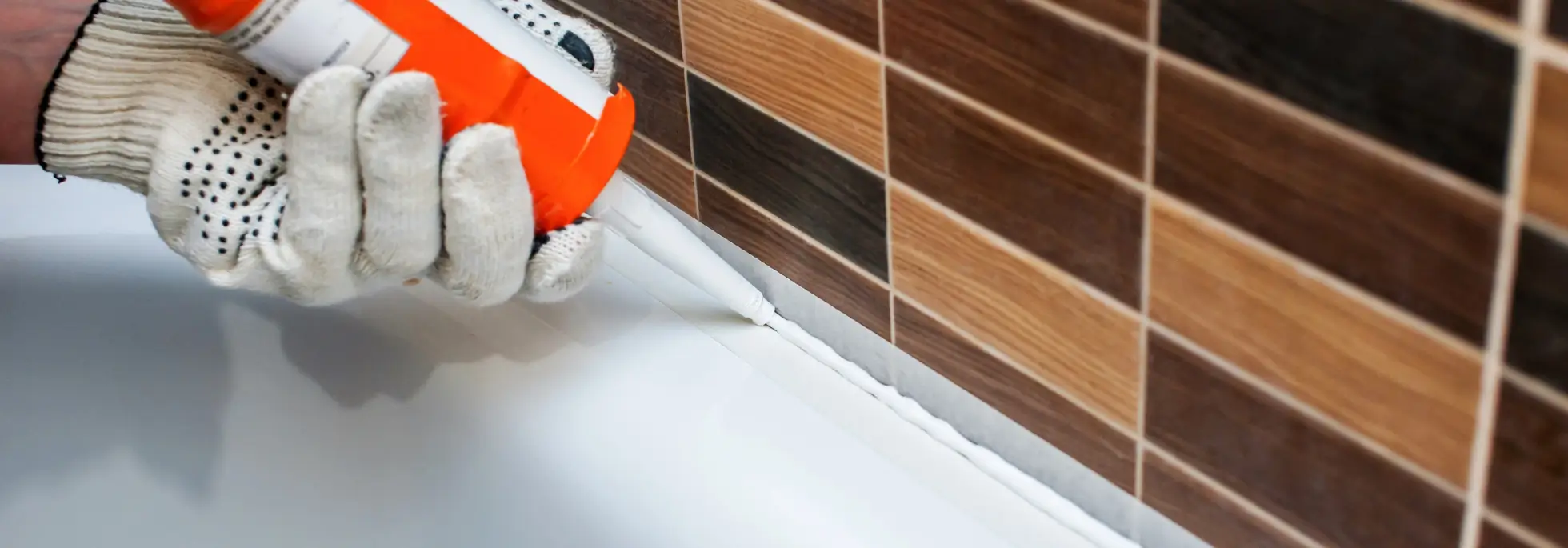
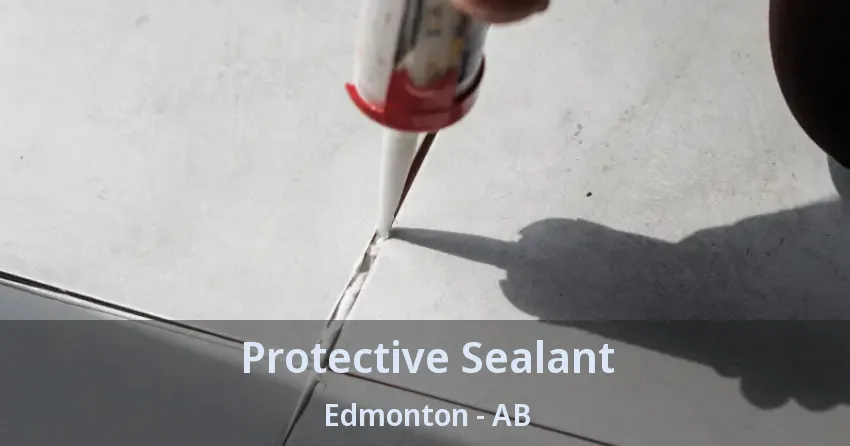
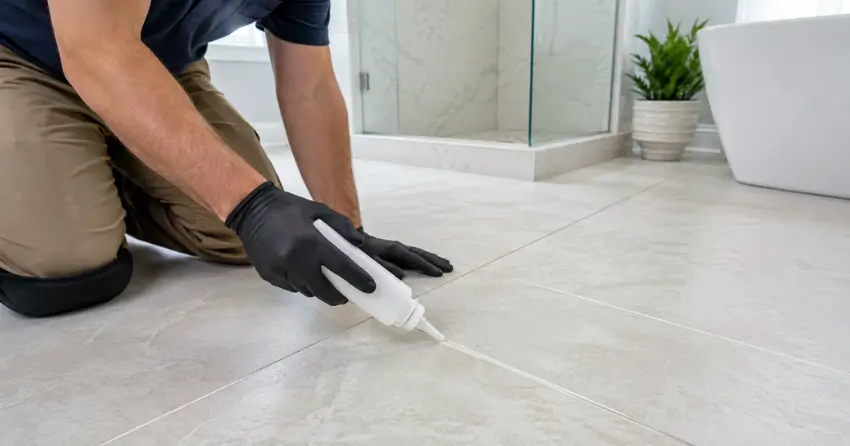
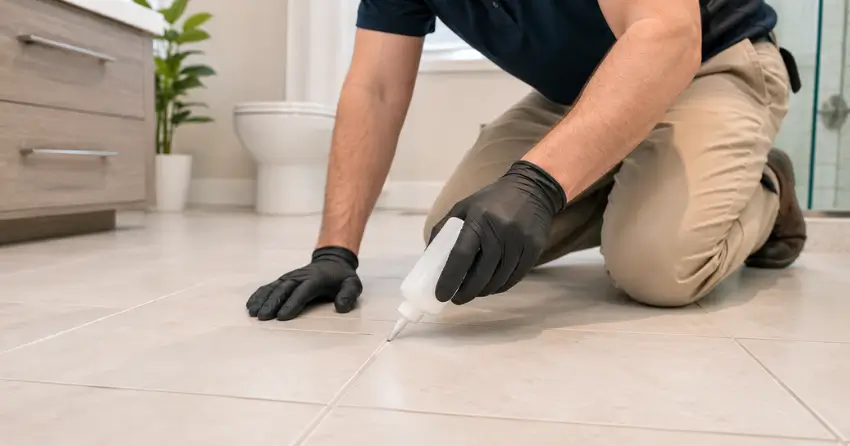
Our team begins with a surface assessment that identifies the material type, porosity level, and current contamination condition. Any surface that needs cleaning or restoration before sealing is treated first. Once the surface is clean and dry, the appropriate sealant product is selected and applied in the method that achieves full pore penetration without leaving a film or residue on the surface. Our technicians then confirm the cure time before the surface can be used, advise on the maintenance practices that preserve the sealant's effectiveness, and confirm when reapplication will be needed based on the specific surface and usage conditions.
Sealant Reapplication: How Long Protection Lasts
No sealant lasts indefinitely. The protective layer degrades over time with cleaning, foot traffic, and the physical wear that comes with normal use. High-traffic floor grout in a kitchen may need reapplication every 12 to 18 months. Natural stone countertops in a busy kitchen need reapplication every one to two years. Bathroom tile grout, with daily moisture exposure, benefits from reapplication every 18 to 24 months. Our team advises on the appropriate reapplication schedule for each surface and material type at the time of the initial application.
A simple water test gives homeowners a practical way to check sealant condition between professional visits: drop a small amount of water on the surface. If the water beads on the surface, the sealant is still active. If the water absorbs into the surface within a few minutes, the sealant has degraded and reapplication is due. Homes with natural stone or heavily used tile benefit from running this test every six months as a quick maintenance check.
Choosing the Right Sealant Product for Each Surface Type
Sealant products are not interchangeable. Penetrating sealants, also called impregnators, absorb into the pore structure of the material and repel liquid from within. Topical sealants sit on the surface and form a protective film. Each has specific applications: penetrating sealants are typically better for natural stone and grout because they do not affect the surface appearance, while topical sealants are sometimes used on concrete to provide a harder-wearing finish with a visible sheen.
Applying the wrong sealant type to a surface produces outcomes ranging from cosmetically undesirable to practically useless. A topical sealant on a heavily trafficked tile floor wears away in patches, leaving inconsistent protection and a surface that looks uneven. A penetrating sealant on a surface that needs film protection does not deliver the abrasion resistance required. Our team matches the sealant chemistry to the surface material, intended use, and the homeowner's preference for finish appearance before anything is applied.
Sealant Application After Professional Cleaning or Restoration
Sealant application delivers the best long-term result when it follows a professional clean or restoration treatment on the surface being protected. A sealant applied over a surface that has embedded staining, mould growth in the pore structure, or residue from previous topical products does not fully penetrate the material and may lock contamination in rather than excluding it. Our team assesses whether the surface needs any preparation work before recommending sealant application, and completes that work in the same visit where the scope allows.
For homeowners who have recently had grout restoration, stone polishing, or deep tile cleaning done, sealant application is the natural completion of that work. A freshly restored surface without sealant protection will return to its previous condition faster than a surface that receives both treatments in the right order. Our team often schedules sealant application at the completion of a restoration visit so the investment in cleaning is protected from the moment the surface is first used again.
Outdoor and High-Moisture Area Sealant Applications
Outdoor tile, stone paving, and concrete surfaces face environmental conditions that accelerate the deterioration that porous materials undergo without protection. Freeze-thaw cycles in cold-climate homes cause water absorbed into unsealed porous surfaces to expand and contract, which gradually breaks down the material structure. Outdoor grout in particular suffers from a combination of moisture absorption, organic growth, and UV exposure that degrades it significantly faster than indoor grout.
Our team applies Protective Sealant Edmonton to outdoor surfaces using products rated for exterior conditions and exposure, which differ from interior-grade sealants in their UV stability and resistance to water saturation. High-moisture indoor areas like shower enclosures, mudroom floors, and laundry room tile also benefit from sealant products designed for continuous wet exposure rather than general-purpose interior formulations. Getting the product specification right for the specific environment is the difference between protection that lasts and protection that degrades in months.
Cost of Protective Sealant Edmonton Treatment in Edmonton
Protective Sealant Edmonton is priced based on the surface area being treated, the material type, and whether any cleaning or restoration work is needed before sealant can be applied. Most residential sealant treatments in the area range from $150 to $500 depending on the scope. Kitchen and bathroom combination treatments fall in the mid-range. Whole-floor or large natural stone surface treatments run toward the upper end. For a price specific to the surfaces in your home, call (825) 601-5852 or contact us and our team will confirm the scope and give you a firm number before booking.
Signs Your Surfaces Are No Longer Protected
These are the clear indicators that surfaces in your home need sealant application or reapplication:
Grout lines that darken after getting wet and do not return to their original colour when dry
Water that absorbs into a stone surface within seconds rather than beading on top
Kitchen backsplash grout that stains from cooking splatter despite regular cleaning
Marble or stone countertops with dull spots where acid contact has etched the surface
A bathroom floor that never looks clean despite frequent scrubbing
Outdoor or mudroom tile that holds stains from foot traffic that cleaning cannot fully remove
Any of these conditions indicates the surface needs sealant treatment. Addressing them stops the ongoing contamination cycle and makes the surface genuinely maintainable with regular cleaning.
Book a Protective Sealant Edmonton Visit With Edmonton Cleaning Pros
Edmonton Cleaning Pros has applied Protective Sealant Edmonton across kitchens, bathrooms, and stone surfaces for more than 15 years. Our team is fully insured, uses professional-grade sealant products matched to each surface type, and backs every application with a workmanship guarantee on the application itself. If a treated surface shows absorption failure within the expected protection period due to incorrect application, we return to retreat at no additional charge.
To schedule your Protective Sealant Edmonton appointment, contact us or call (825) 601-5852 and our team will confirm the right sealant treatment for your surfaces and give you a price before the booking is confirmed.
The usual suspects
Typical Protective Sealant Issues We Solve
Most tile, stone, and grout damage is preventable. Here are the conditions that develop when porous surfaces go unprotected and what sealant application does to stop them.
🧽
Grout That Stains No Matter How Much You Clean
Grout that discolours repeatedly despite regular cleaning has contamination embedded inside the pore structure, not just on the surface. Cleaning the surface removes visible residue but does not reach what is already absorbed inside. Sealant application to clean grout prevents liquid and contaminants from entering the pore structure in the first place, making subsequent cleaning genuinely effective.
🪨
Marble or Stone Countertop Dull Spots
Dull spots on marble or stone countertops are typically acid etch marks caused by contact with citrus, wine, vinegar, or common household cleaners. These are chemical alterations of the stone surface, not stains that clean off. A penetrating sealant applied to clean stone significantly reduces the risk of accidental etching by extending the contact time required for acid damage to occur.
🚿
Bathroom Grout Turning Black or Grey
Black or grey discolouration in bathroom grout is mould and mildew growth inside the pore structure, fuelled by daily moisture exposure and soap residue. Surface cleaners temporarily lighten the appearance but do not eliminate the growth inside the material. Restoring and sealing the grout removes the existing contamination and prevents the moisture absorption that the mould requires to regrow.
👣
Stone Floor That Marks Easily
A natural stone floor that shows marks from foot traffic, furniture movement, or light water contact has lost its sealant protection and is absorbing contaminants at surface level. The longer it goes unsealed, the more the accumulated contamination inside the stone affects its appearance and the more difficult a full restoration becomes. Sealing at the first sign of increased marking prevents the deeper absorption that follows.
🏡
Outdoor Tile Holding Stains From Foot Traffic
Outdoor and entryway tile exposed to foot traffic absorbs the organic material, oils, and moisture tracked in from outside, which builds up inside the pore structure and creates permanent discolouration. An exterior-grade penetrating sealant creates a barrier against this absorption and makes surface cleaning sufficient to keep the tile in good condition between professional visits.
🍳
Kitchen Backsplash Grout Absorbing Cooking Oil
Grout lines near the stovetop and cooking surfaces absorb airborne cooking oil and steam vapour that settles on the surface during every cooking session. Over time this oil buildup inside the grout pores causes deep yellowing and an odour that surface cleaning cannot remove. Sealing the backsplash grout prevents oil vapour from entering the pore structure.
🔧
Concrete or Grout Absorbing Garage Spills
Unsealed concrete in garages and utility spaces absorbs automotive fluids, cleaning chemicals, and moisture that permanently stain the surface and create difficult odours. A topical or penetrating sealant matched to the concrete type and the types of contaminants present creates a spill-resistant surface that can be wiped clean before liquids have the chance to penetrate.
💧
Tile Surface Absorbing Water and Staying Damp
Tile that absorbs water rather than shedding it quickly has lost sealant protection or was never sealed at installation. Prolonged moisture retention in porous tile creates the conditions for subsurface mould growth and, in freeze-thaw climates, can cause the tile surface to crack as absorbed water expands. Sealant restores the hydrophobic surface quality that keeps moisture on the surface where it can evaporate or be wiped away.
🌊
Grout Lines Darkening After Getting Wet
Grout that visibly darkens when wet and does not return fully to its dry colour is absorbing moisture at a rate that indicates the sealant has failed or was never applied. This absorption brings dissolved minerals and organic material into the grout with every wetting cycle. Reapplication of sealant to clean grout stops this darkening cycle and restores the grout's ability to dry to its original colour.
The careful, thorough clean your space has been missing.
Real write-ups from locals who recently booked in Edmonton.
★★★★★
Grout stays clean for the first time ever
I have been scrubbing my kitchen backsplash grout for years with minimal results. Edmonton Cleaning Pros cleaned the grout first and then sealed it. Two months later and it still looks as clean as it did right after the treatment. Wish I had done this years ago.
KB
Karen B.2025-11-09
★★★★★
Marble countertop finally protected properly
Our marble kitchen island had developed some dull spots from cooking splatter before we knew acid etching was a thing. Edmonton Cleaning Pros treated what was recoverable and then applied the correct sealant. The technician explained exactly how to maintain it going forward. The difference in how spills behave on the surface now is obvious.
NF
Nathan F.2026-02-26
★★★★☆
Good work, the grout restoration added time
My bathroom grout was in pretty rough shape and needed restoration before the sealant could be applied, which added a bit of time to the visit that I had not fully planned for. The technician was upfront about this once he assessed the grout condition and the final result was well worth the extra time. Everything looks genuinely clean now.
SM
Sonia M.2025-09-21
★★★★★
Travertine floor sealed and restored
Our travertine entry floor had been absorbing everything for years. Edmonton Cleaning Pros assessed the specific porosity, cleaned it properly, and applied the right penetrating sealant. The water bead test was immediately obvious and the floor has been dramatically easier to maintain since. Very professional from start to finish.
JK
James K.2025-12-18
★★★★★
Outdoor concrete sealed before winter
We had our garage floor and outdoor tile sealed before the cold season. The technician explained why exterior sealant products are different from interior ones and exactly what freeze-thaw cycling does to unsealed concrete. The application was clean and the surfaces have held up perfectly through a hard winter.
AL
Andrea L.2026-03-30
★★★★★
Finally understand the difference it makes
I was sceptical that sealant was worth the cost on tile grout that just gets dirty again anyway. The technician showed me what properly sealed grout looks like six months after application versus unsealed, and I was convinced. That was three months ago and the cleaning time I spend on those surfaces has dropped noticeably. Good investment.
DO
Derek O.2026-04-16
Say hello
Let's Plan Your Next Cleaning
Drop us a line about the job and our crew will follow up to arrange a time that works.